Islamic Inheritance Basics
Islam is one of the few religions that is explicit about the rules of Inheritance. Upon someone’s death, how their assets are going to be distributed is clearly outlined. If followed, this can minimize conflict amongst families and help a smooth transition between generations in a time that is otherwise filled with grief.
Where do the rules come from?
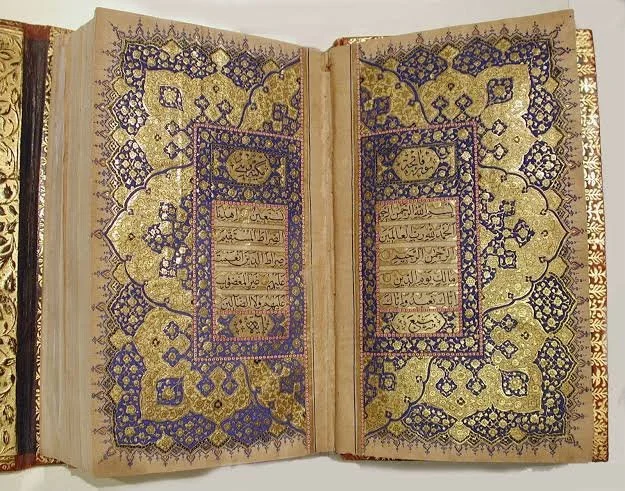
The Islamic Rules of Inheritance are primarily derived from the Qur’an. Specifically, verses 11 and 12 of the fourth chapter of the Qur’an, Surah Nisa. In it, the following primary rules are listed:
If either of your parents are alive when you pass away, and you have children, your parent’s shares are 1/6 (16.67%) each.
If you are married and have children, a husband inherits 1/4 (25%) from his wife and a wife inherits 1/8 (12.5%) from her husband.
If you are married and don’t have children, a husband inherits 1/2 (50%) from his wife and a wife inherits 1/4 (25%) from her husband.
If you have sons and daughters, the sons inherit at a 2:1 ratio.
If you have one daughter and no other children, she inherits 1/2 (50%). If you have multiple daughters and no sons, they inherit 2/3 (66.66%).
These rules can be confusing and may require expert help to navigate. Make sure you are speaking with an attorney who has specialized knowledge in this field when creating your estate plan. It is your responsibility to follow these rules properly.
WHat is the wisdom behind these rules?
Muslims follow these rules first and foremost because they are a commandment from Allah (SWT). However, there are certain wisdoms that scholars have gleaned behind these rules.
The rules create simplicity. Muslims do not have have to spend countless hours determining who to allocate their estate to. Whether or not you like a certain child more than the other, the rules create a system which is easy to follow. As Allah mentions in verse 11 of Surah Nisa at the end of the Ayah regarding inheritance: “Be fair to your parents and children, as you do not fully know who is more beneficial to you.” We do not know who is more deserving of our inheritance; our human mind is limited. The rules have been sent down for our benefit.
Everyone is included. No one is left out from these rules. In other traditional systems of inheritance around the world, typically only the sons or even only the eldest son would inherit. The Islamic rules give everyone a share.
The highest single share is for a daughter. Out of all of the shares explicitly mentioned, the highest percentage is for a husband and wife who only have 1 daughter. She inherits 50% of the estate, which is higher than any other percentage mentioned. The only percentage that is higher is for a husband and a wife who have multiple daughters and no sons. In that case, the daughters inherit 66% of the estate.
How do these Rules Apply in america?
Even though you live in America, you are obligated to follow the inheritance rules set down by Allah (SWT). However, applying these rules isn’t a simple matter.
An attorney has to expertly navigate both the law of your state (like Texas) and Islamic Law to make sure your Islamic heirs are receiving what is their right upon your death.
If you engage an attorney who isn’t well-versed in both of these fields, they may overlook something that causes your entire estate plan to fail. Then, after you have passed away, your family is left picking up the pieces.
Recent Posts